
NANOPORE · NGS
AMC Vaginal - Complete Analysis of the Genital Tract
Complete study of all the microorganisms that colonize the vagina and make up the ecosystem of the female genital tract. Comprehensive analysis with significant implications for a woman's overall health and reproductive capacity.
Request information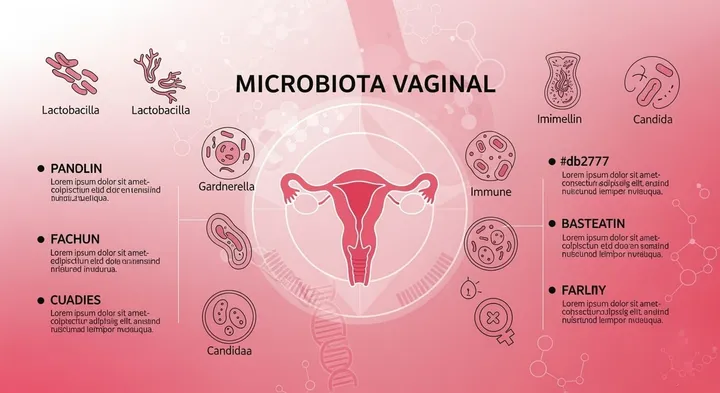
- Complete study of the female genital tract
- Detection of dysbiosis and STIs
- Reproductive health assessment
Description
What is AMC Vaginal?
It is the complete study of all the microorganisms that colonize the vagina and make up an entire ecosystem in the female genital tract. The quantity and type of bacteria and other microorganisms present have significant implications for a woman’s overall health and her reproductive capacity.
The analysis enables the identification of all the microorganisms present in the vaginal microbiota and the relationships between them, determining whether there is dysbiosis and identifying pathogenic microorganisms.
What Does It Identify?
- All microorganisms of the vaginal microbiota
- Microbial relationships and ecosystem
- Vaginal dysbiosis and imbalances
- Pathogenic microorganisms
Sexually Transmitted Infections Detected
1
Chlamydia
Chlamydia trachomatis
2
Gonorrhea
Neisseria gonorrhoeae
3
Candidiasis
Vaginal fungal infections
4
HIV
Human immunodeficiency virus
5
HPV
Human papillomavirus - Different genotypes
Advanced NGS Technology
We use next-generation sequencing (NGS) to obtain accurate and complete results of the vaginal ecosystem in 15 business days.
Technology
Advanced Analysis Technology
Specialized NGS Sequencing
We employ NGS (Next Generation Sequencing) technology optimized for the analysis of the complete vaginal microbial ecosystem, including bacteria, fungi, viruses and other microorganisms.
- Complete identification: All microorganisms present
- Quantitative analysis: Relative abundance of each species
- Microbial relationships: Ecosystem interactions
- Pathogen detection: Disease-causing microorganisms
Detection of Sexually Transmitted Infections
Our analysis includes the specific detection of the main STIs using high-precision molecular techniques.
- Bacterial: Chlamydia, Gonorrhea
- Viral: HIV, HPV (genotypes)
- Fungal: Vaginal candidiasis
- HPV genotyping: Strain identification
- Resistances: Antimicrobial profiles
- Viral load: Quantification when applicable
Vaginal Dysbiosis Assessment
We analyze the balance of the vaginal ecosystem to detect alterations that may affect a woman’s reproductive and overall health.
- Dominant lactobacilli: L. crispatus, L. gasseri, L. iners
- Pathogenic species: Gardnerella, Atopobium, Prevotella
- Diversity indices: Shannon, Simpson
- Predictive vaginal pH: Microbiota-based estimation
Analysis Process
1
DNA extraction
Optimized protocol for vaginal samples
2
Targeted amplification
Specific PCR for vaginal microbiota
3
NGS sequencing
High-depth analysis
4
Bioinformatic analysis
Identification and quantification
5
Clinical report
Gynecological interpretation
Certifications
- CE-IVD certification
- Clinically validated protocol
- ISO 15189 standards
- STI-specific quality control
Sample
Vaginal Sample Collection Protocol
Sample Type
Vaginal smear: Primary sample
Swab: Upper part of the vagina
Self-collection: Available for the patient
Container: Sterile tube with stabilizer
Storage Conditions
- Immediate: Process within 4 hours at room temperature
- Refrigeration: 2-8°C up to 48 hours
- Freezing: -20°C up to 2 weeks
- Stabilizer: With included buffer up to 30 days
Patient Instructions
Prior preparation (24-48 hours before):
- Do not use vaginal douches
- Avoid vaginal pessaries or creams
- Do not have sexual intercourse
- Stop antibiotics (if possible)
Day of collection:
- Avoid being during the menstrual period
- Normal external genital hygiene
- Do not use internal soaps
- Use the self-collection kit provided
Factors That May Affect
- Active menstruation (interference with analysis)
- Systemic antibiotics (up to 2 weeks after)
- Vaginal antifungal treatments
- Recent vaginal douches (48 hours)
- Sexual intercourse (24 hours before)
- Acute vaginal infections being treated
Results
Interpretation of Results
Normal Vaginal Microbiota
Dominant lactobacilli: L. crispatus, L. gasseri, L. iners
Acidic pH: Maintenance of vaginal pH
Low diversity: Stable ecosystem
Absence of pathogens: No STIs detected
Microbial balance: Vaginal eubiosis
Dysbiosis and Pathogens
Bacterial vaginosis: Gardnerella, Atopobium
STIs detected: Chlamydia, Gonorrhea, HPV, HIV
Candidiasis: Candida species
High diversity: Loss of lactobacilli
Elevated pH: Alteration of the environment
Results Timeline
Day 0
Receipt and initial processing
Days 1-10
NGS sequencing and STI analysis
Day 15
Gynecological report available
Clinical Interpretation
- Results should be correlated with clinical symptoms
- The presence of pathogens requires medical evaluation
- Dysbiosis may precede evident symptoms
- Detected STIs require treatment and follow-up
- We recommend consultation with a specialist gynecologist
Clinical indications
Gynecological Indications
- Recurrent bacterial vaginosis Repeated episodes of dysbiosis
- Recurrent vaginal candidiasis Frequent fungal infections
- Nonspecific vaginal symptoms Discharge, itching, irritation without a clear cause
- Post-treatment control Verification of cure
STI Screening
- Routine STI screening
- New sexual partner
- Unprotected sexual intercourse
- Symptoms suggestive of STIs
- Periodic control in at-risk populations
Reproductive Health
- Infertility of unknown cause
- Recurrent miscarriages
- Pregnancy planning
- Assisted reproduction techniques
- Specialized prenatal care
Specialties That Request It
Gynecology
Obstetrics
Microbiology
Internal Medicine
Family Medicine
Clinical Inf. Diseases
Advantages of AMC Vaginal
- Complete ecosystem analysis
- Simultaneous STI detection
- Dysbiosis assessment
- Self-collection available
- HPV genotyping
- Results in 15 days