
NANOPORE · NGS
Oral Microbiota Test - Complete Analysis
Complete study of the oral microbiota, analyzing all the microorganisms that inhabit the different niches of the oral cavity: G+ and G- bacteria, archaea, fungi and viruses.
Request information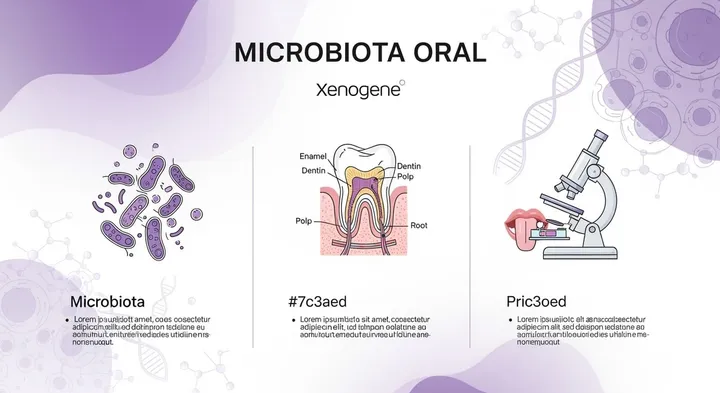
- G+ and G- bacteria, archaea, fungi and viruses
- Advanced NGS technology
- Complete view of the oral ecosystem
Description
What is the Oral Microbiota Test?
It is the complete study of the oral microbiota, that is, all the microorganisms that inhabit the different niches of the oral cavity. The oral cavity can be divided into several zones, each with a specific predominance of microorganisms.
In our test we can detect all possible microorganisms in the oral microbiota: G+ and G- bacteria, archaea, fungi and viruses, all in a single comprehensive test.
Complete Detection
- Gram-positive bacteria (G+)
- Gram-negative bacteria (G-)
- Archaea (primitive microorganisms)
- Fungi (yeasts and filamentous)
- Viruses (DNA and RNA)
Oral Cavity Zones Analyzed
1
Buccal Mucosa
Inner lining of cheeks and lips
2
Dental Surface
Enamel and dental biofilm
3
Gingival Sulcus
Space between tooth and gum
4
Tongue and Palate
Specialized mucosal surfaces
5
Saliva
Suspended microorganisms
Advanced Technology
We use third-generation NGS sequencing with read lengths greater than 4 Mb to achieve maximum precision in the identification of microorganisms.
Technology
Advanced Sequencing Technology
Third-Generation NGS Sequencing
We employ advanced NGS technology that enables long reads greater than 4 Mb, facilitating the complete reassembly of microbial genomes with a lower error rate.
- High quality and precision in genomic sequencing
- Very long read lengths (>4 Mb)
- Easy reassembly of microbial genomes
- Lower error rate compared to previous technologies
Comprehensive Detection of Microorganisms
Our analysis identifies all types of microorganisms present in the oral cavity through broad-spectrum sequencing.
- Gram-positive bacteria: Streptococcus, Enterococcus
- Gram-negative bacteria: Porphyromonas, Fusobacterium
- Archaea: Methanobrevibacter
- Fungi: Candida, Aspergillus
- DNA viruses: Herpesvirus, Papillomavirus
- RNA viruses: Respiratory viruses
High Specificity and Sensitivity
We achieve superior levels of specificity and sensitivity compared to traditional culture methods, enabling the detection of hard-to-grow microorganisms.
- High specificity: Accurate identification of species
- Superior sensitivity: Detection of low microbial load
- Non-culturable microorganisms: Direct detection by DNA
- Resistance profiles: Antimicrobial resistance genes
Technical Workflow
1
DNA extraction
Optimized protocol for oral microbiota
2
Library preparation
Optimization for long reads
3
NGS sequencing
Third-generation technology
4
Bioinformatic analysis
Identification and quantification
5
Clinical report
Specialized interpretation
Certifications
- CE-IVD certification
- Clinically validated protocol
- ISO 15189 standards
- Rigorous quality control
Sample
Oral Sample Collection Protocol
Sample Type
Saliva: Primary non-invasive sample
Buccal swab: Mucosa and gums
Volume: 2-5 ml of saliva
Container: Sterile tube with stabilizer
Storage Conditions
- Immediate: Process within 2 hours at room temperature
- Refrigeration: 2-8°C up to 24 hours
- Freezing: -20°C up to 1 week
- Stabilizer: With included buffer up to 30 days
Patient Instructions
Prior preparation (12 hours before):
- Do not use antimicrobial mouthwashes
- Avoid antibiotics (if possible)
- Maintain usual oral hygiene
- Do not smoke 2 hours before
Day of collection:
- First morning saliva sample
- Do not eat or drink 1 hour before
- Do not brush your teeth beforehand
- Use the collection kit provided
Factors That May Affect
- Systemic antibiotics (up to 2 weeks after)
- Antimicrobial mouthwashes (24-48 hours)
- Recent dental treatments (1 week)
- Active acute oral infections
- Tobacco and alcohol (2 hours before)
Results
Interpretation of Results
Complete Microbial Analysis
G+ bacteria: Streptococcus, Enterococcus, Lactobacillus
G- bacteria: Porphyromonas, Fusobacterium, Prevotella
Archaea: Methanobrevibacter oralis
Fungi: Candida spp., Aspergillus
Viruses: Herpesvirus, Papillomavirus
Parameters Analyzed
Relative abundance: Percentage of each microorganism
Microbial diversity: Shannon and Simpson indices
Oral pathogens: Periodontal bacteria
Antimicrobial resistance: Resistance genes
Virulence factors: Pathogenicity genes
Results Timeline
Day 0
Receipt and initial processing
Days 1-10
NGS sequencing and analysis
Day 12
Clinical report available
Clinical Interpretation
- Results should be correlated with the oral clinical history
- The presence of pathogens does not always indicate active disease
- Microbial diversity is indicative of oral health
- Imbalances may precede clinical symptoms
- We recommend consultation with a periodontics specialist
Clinical indications
Main Oral Pathologies
- Periodontal disease Gingivitis and periodontitis
- Dental caries Cariogenic activity and risk
- Halitosis Bad breath of oral origin
- Fungal infections Oral candidiasis
- Viral lesions Oral herpes, leukoplakia
Systemic Connections
- Cardiovascular disease
- Diabetes mellitus
- Respiratory disease
- Pregnancy complications
- Rheumatoid arthritis
Specialties That Request It
Dentistry
Periodontics
Oral Pathology
Microbiology
Internal Medicine
Pediatrics
Advantages of the Oral Test
- Detection of all microorganisms
- Identification of resistances
- Non-invasive method
- Higher sensitivity than cultures
- Analysis across multiple niches
- Results in 15 days