
How to send biological samples from Latin America to Spain
Learn what to check before sending biological samples from Latin America to Spain, including sample type, country requirements and transport.
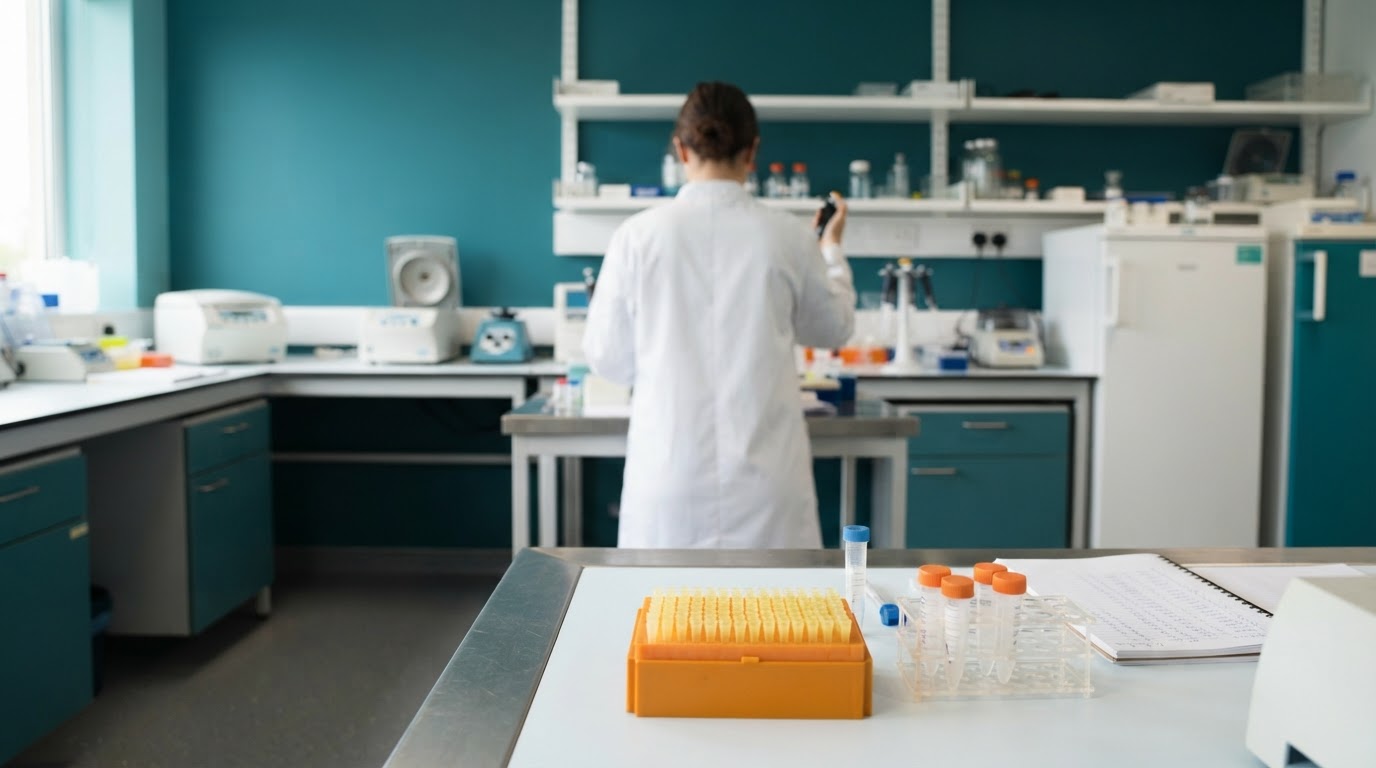
Sending biological samples from Latin America to Spain for microbiome analysis requires confirming in advance with the laboratory that it can receive that type of sample and checking which requirements apply to the country of origin and the shipment.
In summary:
- Whether a sample can be sent depends on the sample type, country of origin and transport conditions. Confirm this with the receiving laboratory before arranging shipment.
- Before collecting the sample, ask the laboratory for its collection, storage and shipping instructions, and check that it can accept that type of sample.
- Documentation and packaging requirements may vary depending on the shipment. Check what applies with the relevant authorities, carrier and laboratory.
- Check the requirements for export, transport and import before dispatching the sample. Do not assume they are the same across all Latin American countries.
To ask whether we can receive your sample from your country and what instructions to follow, contact the Xenogene team.
Can biological samples be sent from Latin America to Spain for microbiota analysis?
Sending a biological sample from Latin America to Spain for microbiota analysis may be possible, but it depends on the type of sample, the country of origin, the transport conditions, and whether the receiving laboratory confirms it can accept the sample. For this reason, do not collect or dispatch it without first checking the specific circumstances.
Tell the laboratory what type of sample you want to analyse and which country it would be sent from. Ask whether it accepts that type of sample from that origin, and request its instructions for collection, storage, packaging, and receipt. The fact that an analysis is listed under gut microbiota analysis does not, by itself, confirm that international shipments are accepted.
Before arranging transport, also check the applicable requirements with official sources in the country of dispatch and in Spain, and confirm the conditions with the carrier. Do not rely on general instructions: they must apply to the specific sample and shipment.
What documentation and authorisations may be required for shipping?
The documentation required to send a biological sample to Spain depends on the type of material, the country of origin, the purpose of the analysis and the carrier’s requirements. There is therefore no single list that applies to every case, and each requirement should be confirmed before dispatch.
Check each of the following separately:
- Country of dispatch: ask the competent authority which documents or authorisations apply to the type of sample and its purpose.
- Entry into Spain: check with the Spanish authorities which requirements apply to importing that specific sample.
- Carrier: ask for its instructions on forms, how to describe the contents and which documents must accompany the package.
- Receiving laboratory: confirm whether it requires any additional information or documents to assess whether it can accept the sample.
These requirements are not interchangeable: meeting the carrier’s requirements does not, on its own, confirm that the sample can enter Spain or be accepted by the laboratory. Healthcare professionals can visit the healthcare professionals’ access page; shipping documentation must be checked separately.
How should an international biological sample be prepared and transported?
The preparation and transport of an international biological sample must be appropriate to the sample type, its transport classification and the instructions of the receiving laboratory. Before collecting the sample, confirm with the laboratory which packaging, labelling, storage conditions and carrier it accepts, and check the applicable requirements against official sources.
When contacting the laboratory, describe the sample you want to send and the country it will be sent from. Ask for specific instructions and confirm that they are consistent with official guidance and the conditions accepted by the carrier. Do not choose packaging or a storage method yourself based on general recommendations: unsuitable instructions may compromise the sample’s acceptance.
If you are still considering which analysis to request, you can consult the catalogue of available tests. Before arranging shipment, agree with the laboratory on how to prepare and label the sample, how to store it and what to do if there is a delay. Follow the confirmed instructions and keep the shipment information so you can report any issues.
What steps should you take before collecting and sending the sample?
Before collecting the sample, contact the receiving laboratory and tell them the country it will be sent from and the type of sample. Then confirm which official requirements you need to check and agree with the laboratory on a compatible sequence for documentation, packaging and transport.
- Identify the analysis you need and the type of sample required. If you are still weighing up your options, read about the differences between a clinical microbiota test and a consumer test.
- Tell the laboratory the country of origin and ask whether it can receive that sample from there.
- Check the requirements for dispatch, transport and entry with the relevant official sources.
- Confirm with the carrier what documentation and conditions it requires for the shipment.
- Collect the sample only once you have agreed instructions for preparing and dispatching it.
If any instructions are unclear or conflict with one another, resolve this with the laboratory before starting the shipment.
What should you do if the shipment is delayed or the sample arrives with an issue?
If the shipment is delayed or the sample arrives with an issue, contact the laboratory before using it and share any available information about transport and storage. The laboratory should assess whether it can accept the sample or whether recollection is advisable.
Keep the shipping documentation, such as the receipt and tracking information, and explain what happened and when you noticed it. If you know the storage conditions during transit, include them too; do not assume them if you do not have that information.
Do not discard the sample or arrange a new collection on your own. Wait for the laboratory to review the issue and tell you whether the sample meets its acceptance criteria or whether it recommends recollection. The assessment depends on the specific circumstances, so a delay or a change in the sample’s condition does not, on its own, confirm whether it can be analysed.
Frequently asked questions
Can a patient send the sample directly, or must a healthcare professional arrange this?
It depends on the laboratory’s acceptance requirements and the sampling instructions. Do not assume you can send the sample yourself or that a healthcare professional must always arrange it. Before collecting the sample, contact Xenogene and state your country and sample type so they can confirm how to proceed.
Does the analysis include international shipping?
You cannot assume it is included without confirmation from the laboratory. Before arranging shipment, ask Xenogene which conditions apply to your case and check with the carrier what services it offers. Do not assume the analysis fee covers shipping, shipment handling or any other associated charges.
What should I do if customs or the carrier holds the package?
Contact the carrier to find out the shipment’s status, and keep any notices and tracking information. Also inform the receiving laboratory and share the information available. Do not assume the package will be released or returned, or that the sample can be analysed: the laboratory must assess the situation once it has sufficient information.
How long can international shipping of biological samples take?
It is not possible to give a general timeframe with the information available. Before sending the sample, ask the carrier for an estimate for the specific route and confirm with the laboratory whether it can receive the sample under the expected conditions. This timeframe relates to shipping and should not be confused with the time needed for analysis once the sample has been received.
Sources
- Documento de despacho para la importación de muestras biológicas — Ministerio de Sanidad
- Importación y exportación de muestras biológicas — Ministerio de Sanidad
- Real Decreto 65/2006, de 30 de enero, por el que se establecen requisitos para la importación y exportación de muestras biológicas — BOE — 2009-11-27
- Infectious Substances Shipping Regulations (ISSR) — IATA
- Importación y exportación de muestras biológicas — Ministerio de Sanidad
- Real Decreto 65/2006, de 30 de enero, por el que se establecen requisitos para la importación y exportación de muestras biológicas — BOE — 2006-01-30
- Guidance on regulations for the transport of infectious substances 2025-2026: applicable as from 1 October 2025 — Organización Mundial de la Salud — 2026-05-04
- Orden SAS/3166/2009, de 16 de noviembre, por la que se sustituyen los anexos del Real Decreto 65/2006 — BOE — 2009-11-16
- Protocolo de importación de muestras no comerciales — Ministerio de Sanidad
- Guidance on regulations for the transport of infectious substances, 2023-2024: applicable as from 1 October 2023 — World Health Organization (WHO) — 2025-03-07
- Operational handbook — World Health Organization (WHO)
- Packaging and transport requirements for patient samples – UN3373 — Department for Transport — 2020-03-26
Other related tests
- Microbiota Esencial
Análisis metagenómico clínico dirigido a la evaluación cuantitativa y cualitativa de los 150 microorganismos intestinales más relevantes para la salud humana.